



 NL
NL
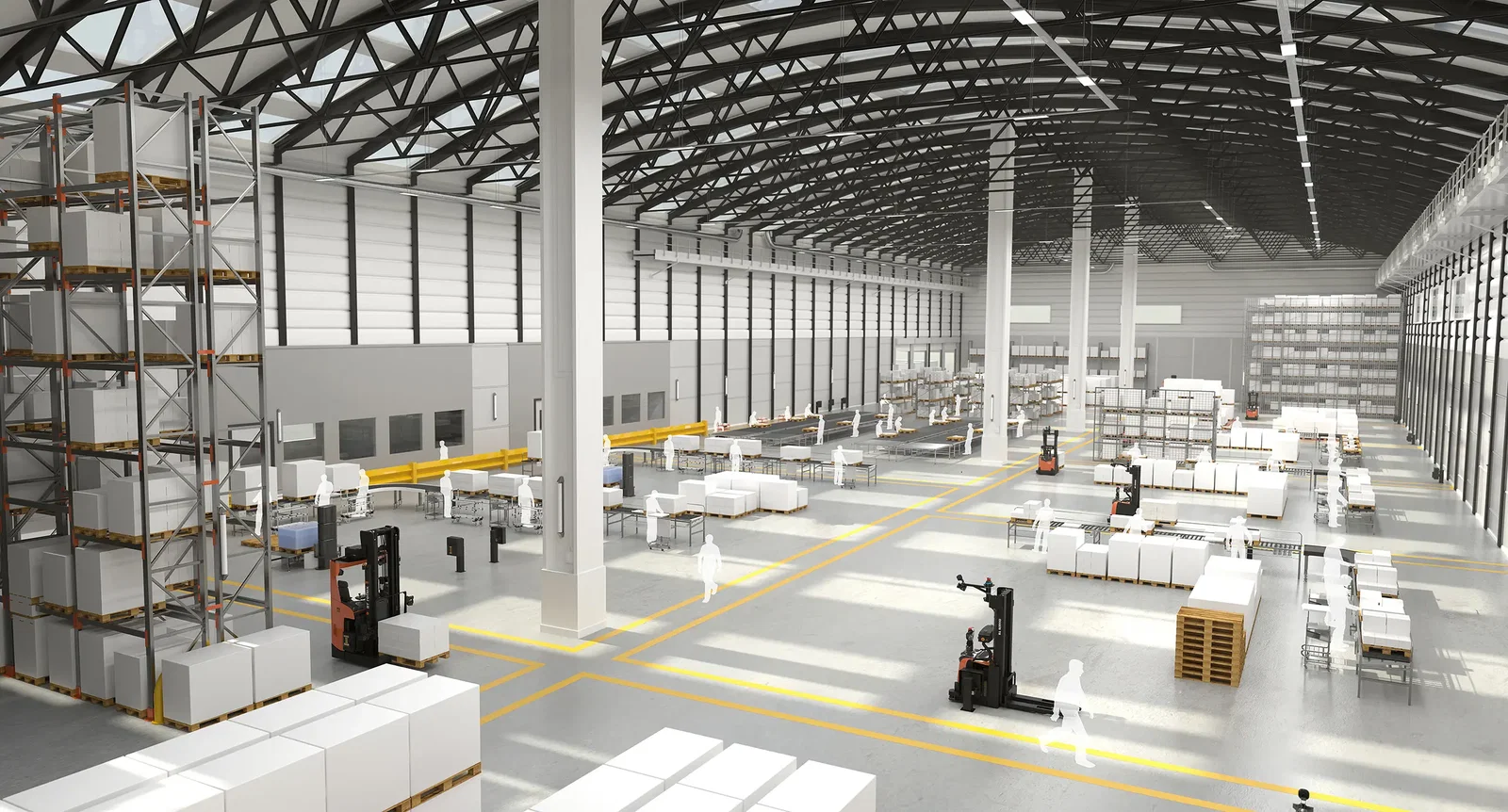
Warehouse automation: The smartest choice in AGVs and AMRs
What is the difference between an AGV and an AMR?
Warehouse automation is becoming increasingly intelligent and sophisticated. AGVs (Automated Guided Vehicles) and AMRs (Autonomous Mobile Robots) are leading the way in this development.
There is a clear difference between these two systems. An AGV runs on fixed “virtual rails” and stops for obstacles. An AMR navigates independently and moves around obstacles. In other words, the former is more like a train, while the latter is more like a taxi. If you would like to explore which solution best suits your operation, our advisers will be happy to help you plan your next move.
Will you opt for the most advanced AMR on the market, giving you maximum flexibility? Or will you choose a reliable (used) AGV from, for example, Toyota or CESAB for use on fixed routes? Together, we can assess the advantages and considerations of each solution.
The best brands for every automation need
You may have noticed that, in addition to Toyota and CESAB, we also sell machines from EP Equipment. We do this because each brand serves a different purpose. This means there is a suitable solution for every automation requirement:
- Toyota & CESAB: Ideal for complex integrations and intensive 24/7 operations that must meet the highest safety standards.
- EP Equipment: If you are looking for affordable AMR solutions that you can quickly implement in your IT infrastructure, EP Equipment offers an excellent solution for both SMEs and large logistics companies.

We’re happy to help you
with free,
personalized advice
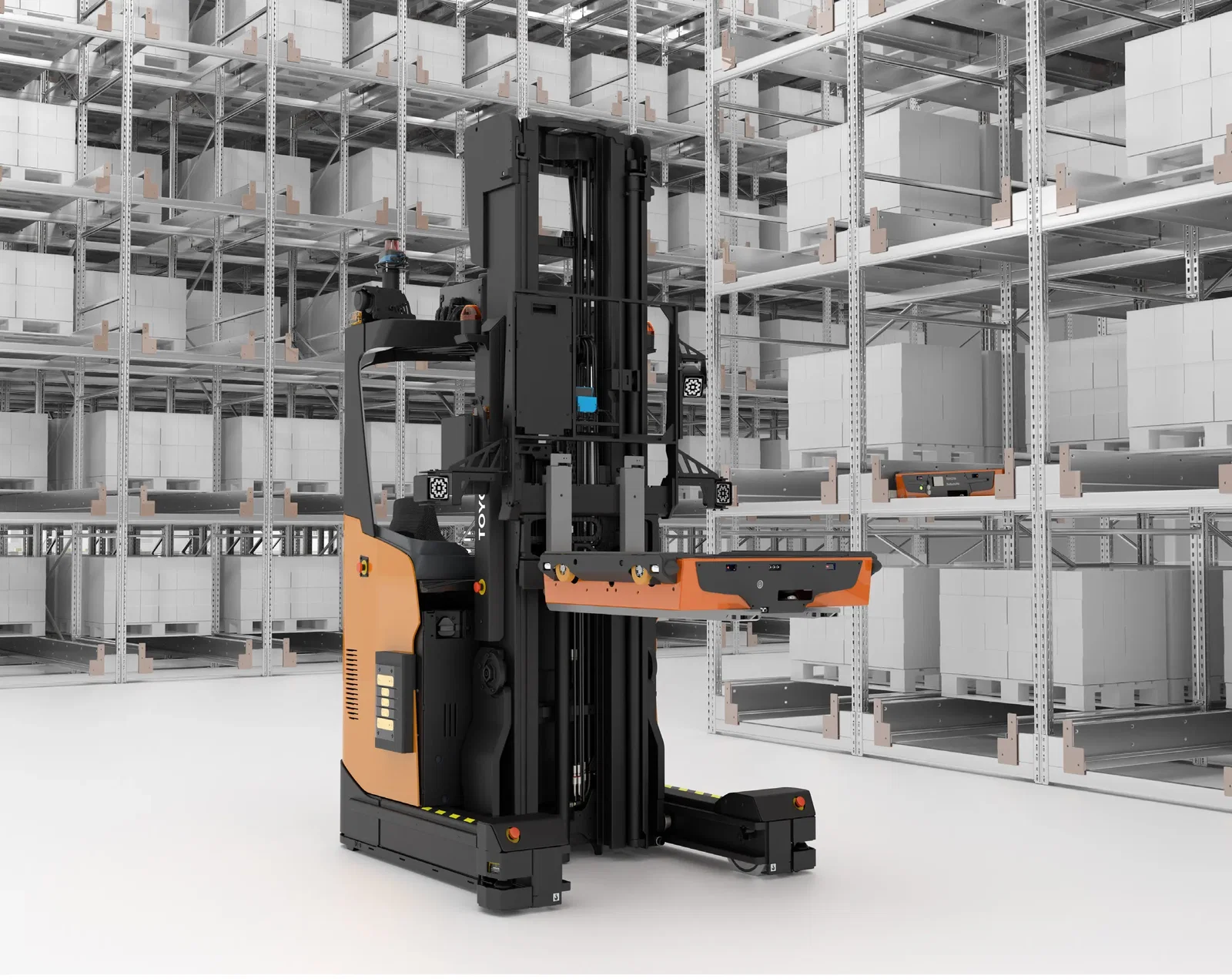
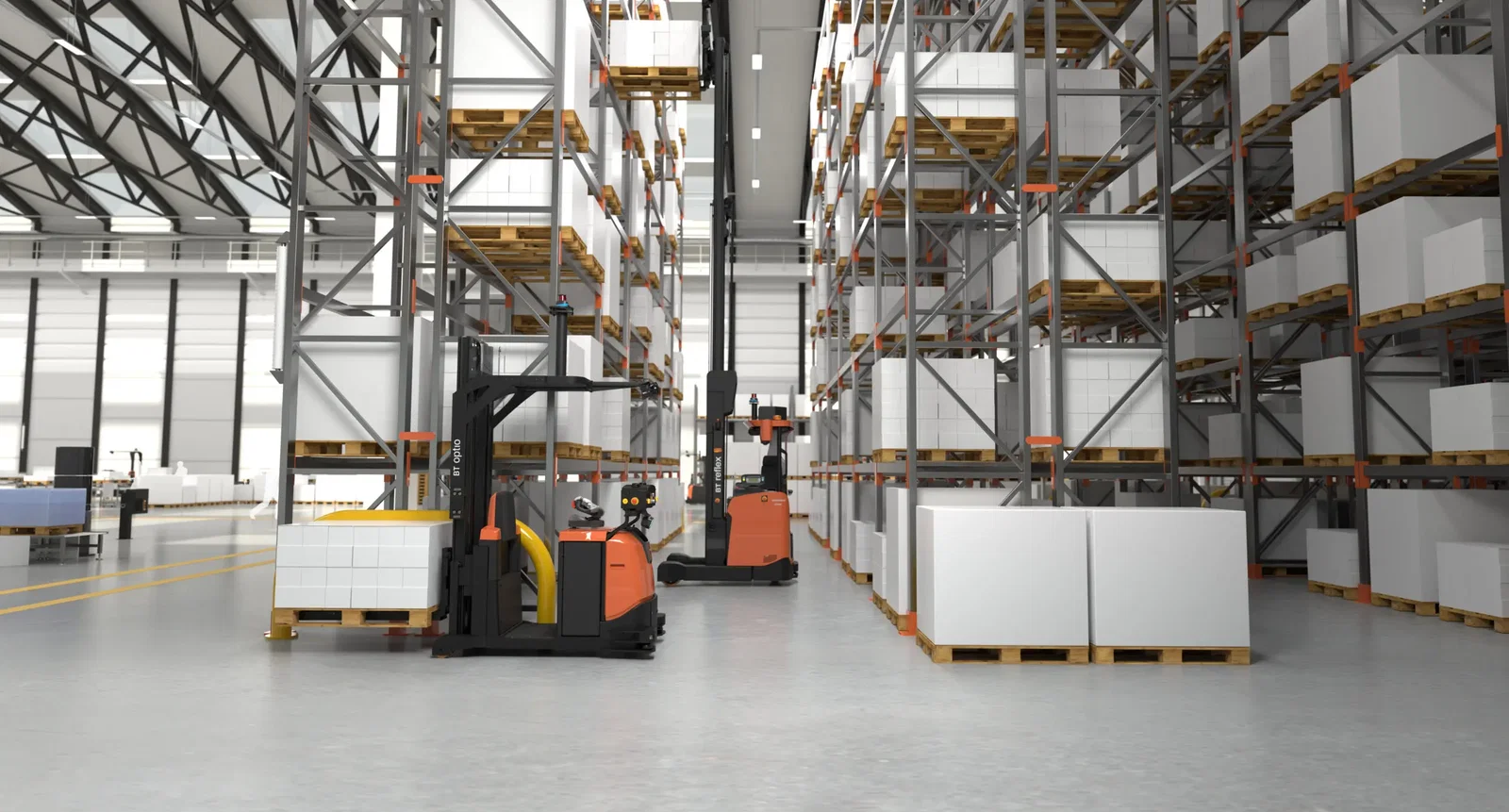
How much does an AGV cost and what are the benefits?
One of the questions we are most frequently asked is, ‘How much does an AGV cost?’ At Prins, we are transparent about this: you pay more for one than for a manually operated truck, but you will recoup that investment within two to three years thanks to significantly lower operating costs. This calculation is based on a two-shift operation. In addition, automated operation significantly reduces the risk of damage from day one, which saves a lot of money.
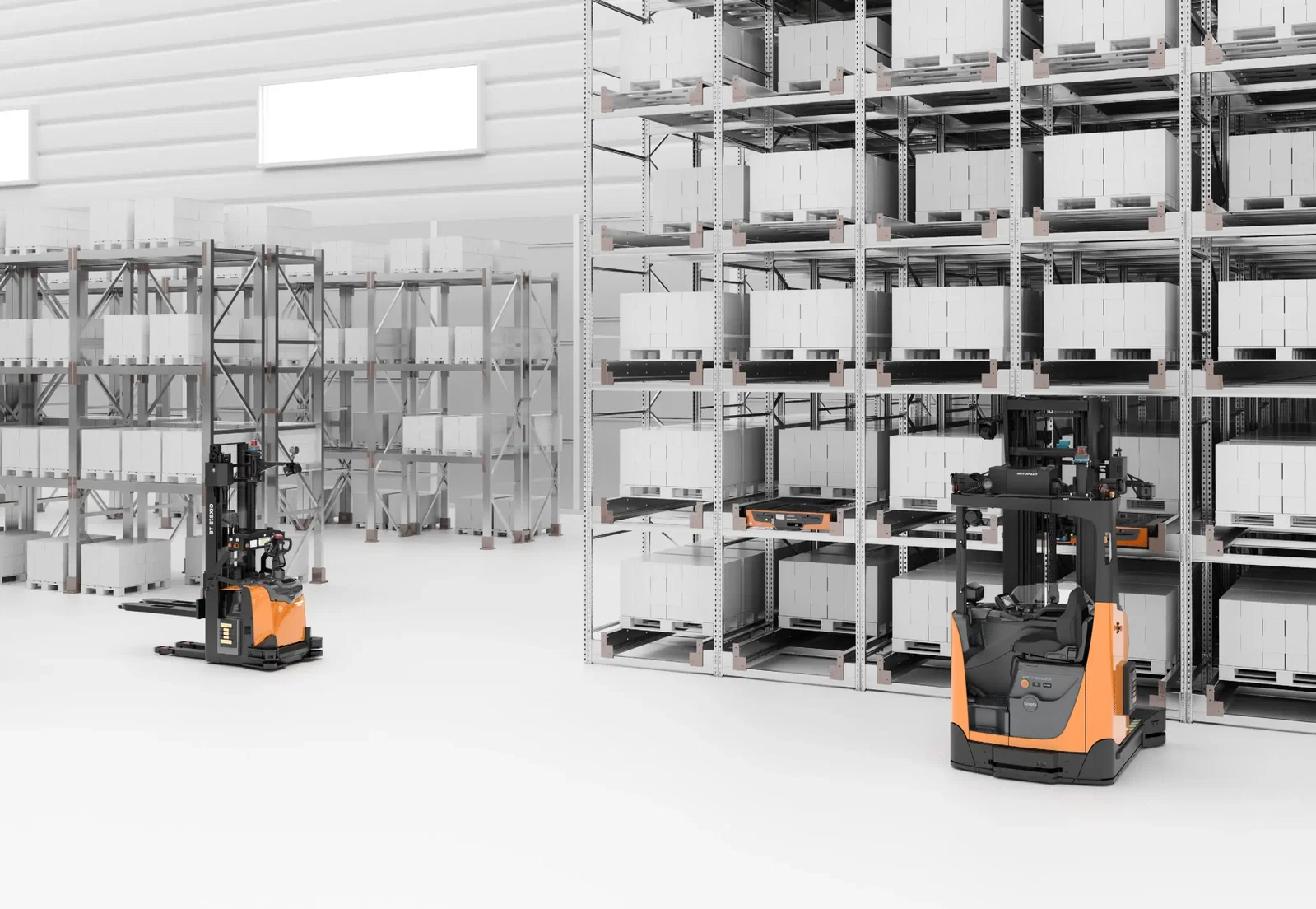
Seamless warehouse integration with your process at the forefront
Many companies are concerned that automation may disrupt their existing processes. That is why we ensure that the technology adapts to your warehouse. We can begin on a smaller scale, for example, with a single route from production to the wrapping machine. Only when you have experienced the benefits will we expand the automation. All AGV or AMR software you choose will communicate seamlessly with your WMS. Whether you choose Toyota’s fleet management software or EP’s flexible card-based systems, all solutions integrate seamlessly with your WMS. You retain real-time visibility of every pallet movement. Helping your warehouse operations run more efficiently.
Specialist service, because downtime is not an option
Preventive maintenance is particularly important for AGVs and AMRs, because your automated logistics process needs to run smoothly at all times. With Prins’ service, you can rely on highly skilled engineers who also have unrivalled knowledge of the software and sensor technology used by our brands. They can remotely update and support your autonomous Toyota, CESAB or EP fleet whenever required. And with a tailored maintenance agreement in place, your equipment will continue to perform reliably for years to come.
FAQ AGV/AMR
Yes, there is a lot of overlap. A self-driving forklift is also a type of AGV designed to place pallets in racks.
Yes, it can. AGVs do not need light to do their job. This reduces the energy costs of your warehouse lighting.
The machines’ safety scanners will immediately slow down or stop.
Standard industrial concrete floors are suitable for most AMRs and AGVs. Prins’ advisers will assess whether your floor is suitable for the machines during a site survey.
Yes, with the hybrid models from Toyota and CESAB. A single switch allows you to switch to manual operation.
This is typically achieved via a PLC connection or a similar interface. The AGV sends a signal to the door to open and close again once it has passed through.
If you choose a Toyota or CESAB reach truck, you can stack up to 11 metres high in a fully automated manner.
Just like a robotic lawnmower, the machine automatically drives itself to a charging station when the battery level falls below a certain threshold.
We provide independent, brand-neutral advice. This means you get the solution that suits your process, not simply the machine a manufacturer happens to produce.